In the context of transnational cooperation, the ability to communicate the impact of project results has become a key tool for the success of initiatives. European Union-funded programs, such as Interreg Euro-MED, require not only transparency and technical precision, but also the ability to synthesize and engage with a broad audience.
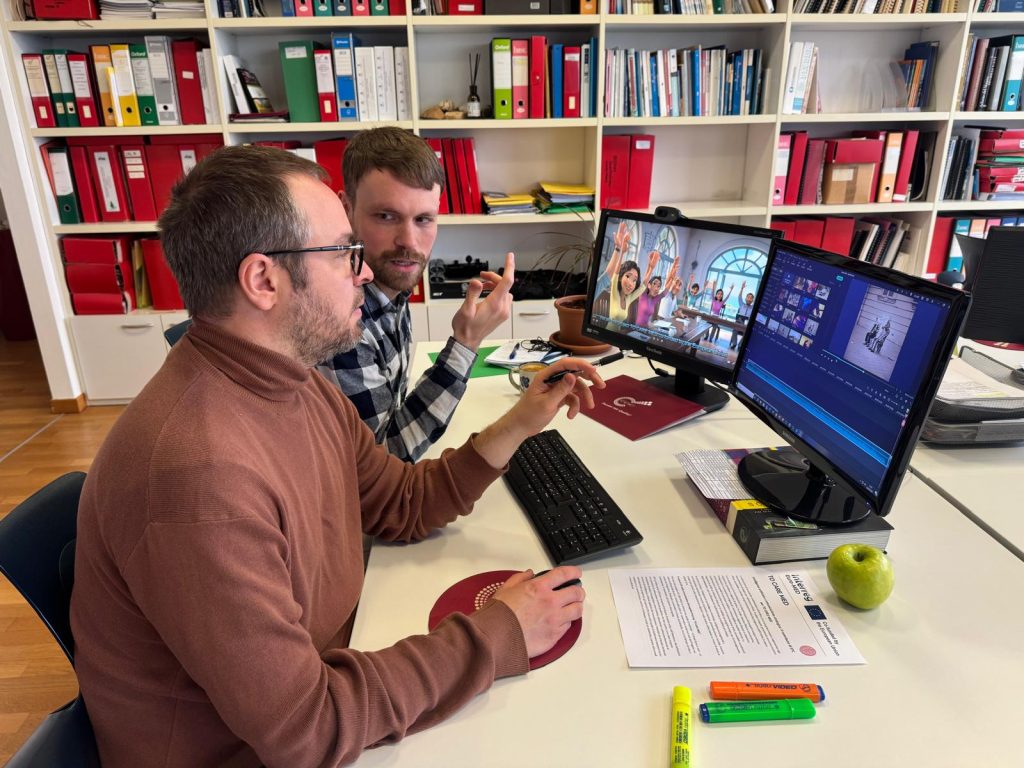
In this context, EPC has successfully combined decades of project management experience with cutting-edge digital technologies, using Artificial Intelligence to create the professional video dedicated to the TO CARE MED project.
EPC’s approach: AI for cutting-edge video communication
The main challenge in communicating European projects lies in transforming technical and methodological content into engaging and accessible tools. For the TO CARE MED project, the brief was clear: produce a high-quality video in a short timeframe that was consistent with the program’s strict guidelines and capable of conveying complex messages across social media and the web.
EPC managed the entire process, from creative conception to post-production, implementing AI-supported workflows. This approach did not replace human supervision, but rather enhanced it through three competitive advantages:
- Efficiency and Timeliness: The use of AI drastically reduced production times, ensuring the delivery of a professional product within tight deadlines, without sacrificing attention to detail.
- Advanced Customization: Digital tools allowed for complete creative flexibility, allowing sequences and visualizations to be adapted to the project’s specific narrative needs while ensuring seamless integration with modern distribution channels.
- Institutional Consistency: The AI was trained and guided to comply with European Union visual and messaging standards, ensuring that every frame contributed to the project’s brand recognition and authority.
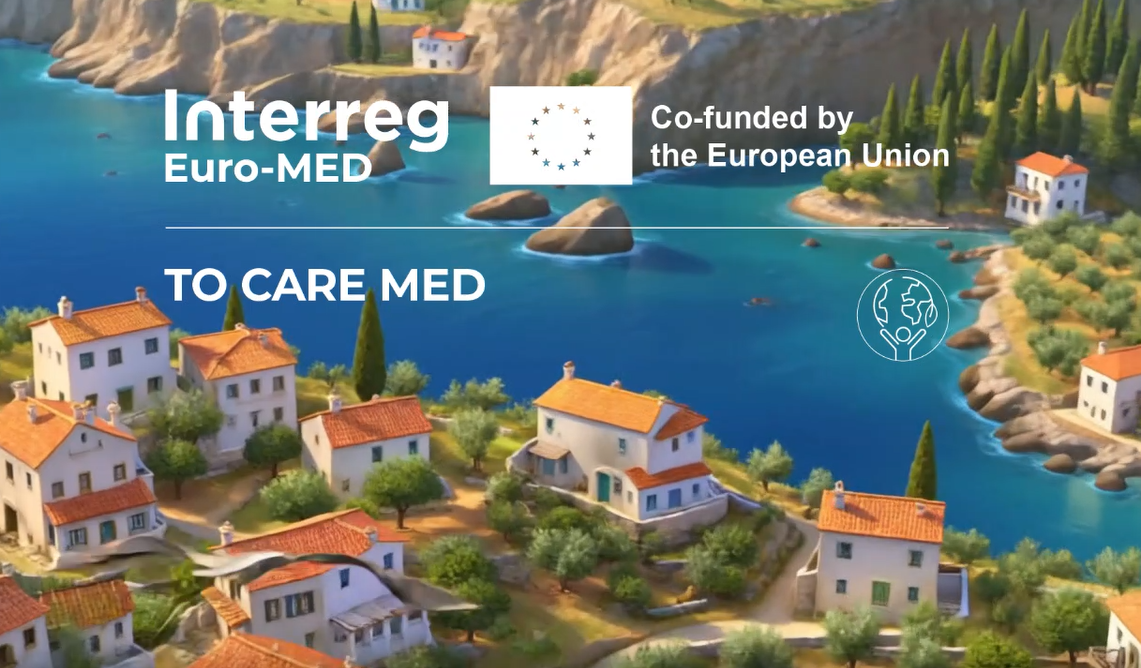
To CARE MED: Towards a Conscious Ecotourism
The video is not just a stylistic exercise, but the vehicle for a vital mission for the Mediterranean basin. The TO CARE MED project (Transferring Tourism Carrying Capacity Tool TO CARE about Sustainability of MED ecotourism strategies, plans, products, and services) addresses the scourge of tourist overcrowding in a structured way.
The core of the initiative lies in the transfer of the Tourism Carrying Capacity Limit (TCCL) methodology, developed by Ca’ Foscari University of Venice. This data-driven tool allows destinations to scientifically analyze their carrying capacity, defining how many visitors an ecosystem can accommodate before the impact becomes irreversible.
Through transnational cooperation and the creation of local working groups, the project aims to co-design services that not only protect the environment but also improve the well-being of resident communities.
A lasting impact in the Mediterranean
The ultimate goal of TO CARE MED is to create a lasting balance between economic development and conservation. Thanks to the strategic communication managed by EPC, the results of this technical research are no longer confined to academic reports but become common heritage.
Digital transformation, when guided by solid design skills, allows sustainability to be given a voice. At the end of its journey, the TO CARE MED Project will have established a solid framework for the ecotourism of the future, demonstrating that technological innovation and territorial protection can, and must, go hand in hand.

Conclusion: The Future of Technical Communication
The case of EPC and TO CARE MED demonstrates that in 2025, European project communication must evolve. It’s no longer enough to simply “inform,” it’s necessary to “position.” The skillful use of Artificial Intelligence, combined with a deep understanding of sustainability and cooperation issues, allows us to transform a bureaucratic obligation into an opportunity for thought leadership.
Investing in high-quality content, structured for AI and based on solid scientific data, is the only way to ensure that messages about the sustainability of our planet reach the right audience and generate real change.