On 2 and 3 April 2025, the beautiful city of Split hosted an important international coordination event for the ALIENA project — ALIgning Efforts to control Non-indigenous species in the Adriatic Sea.
The event was hosted by the renowned Institute of Oceanography and Fisheries, which provided the setting for two intensive days of working sessions, technical discussions and strategic exchanges on the sensitive issue of non-indigenous species (NIS) threatening the biodiversity of the Adriatic Sea.
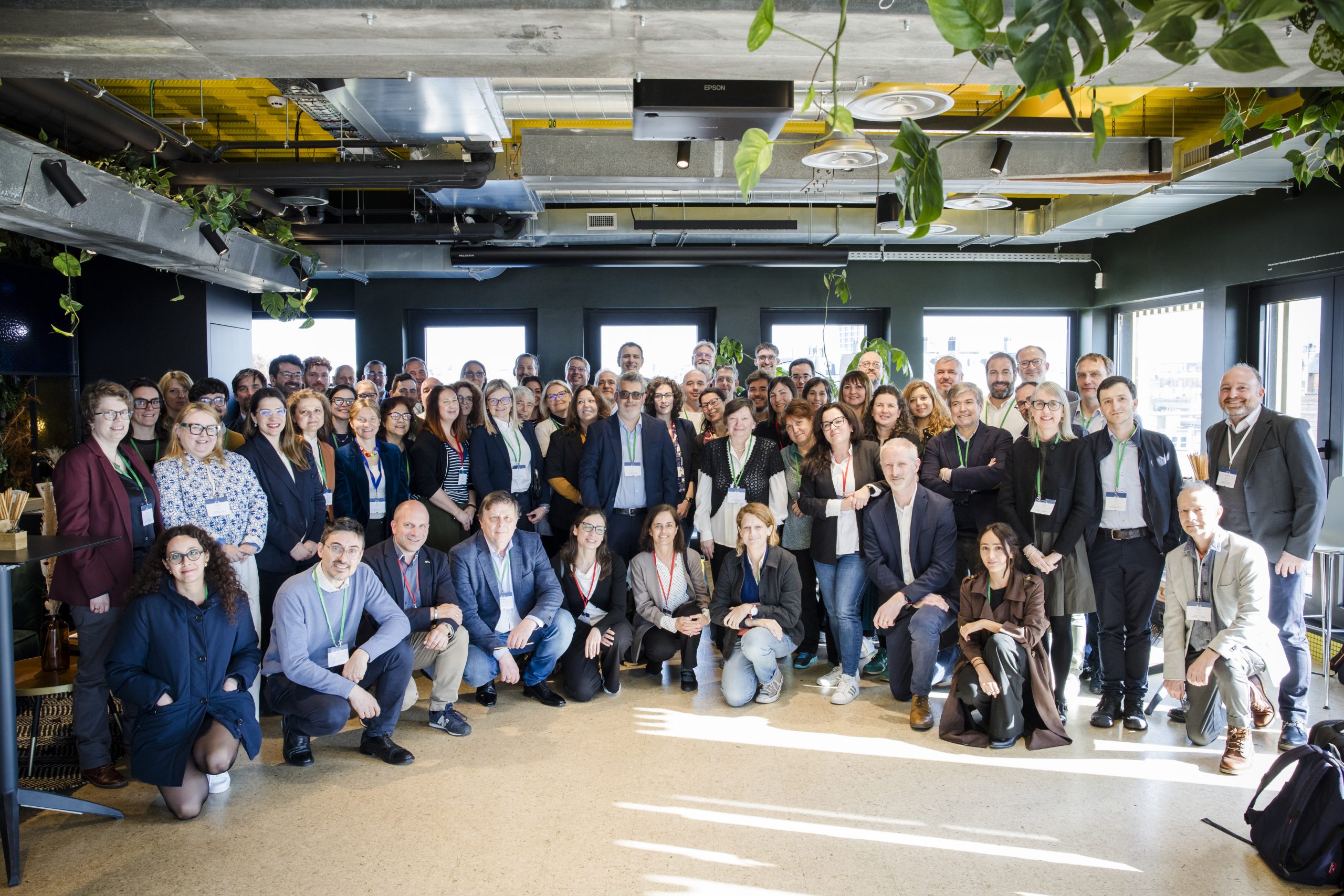
The event brought together the project consortium and numerous local stakeholders, further strengthening cooperation between Italy and Croatia for the protection of marine ecosystems.
The ALIENA Partnership Meeting Coordinated by EPC
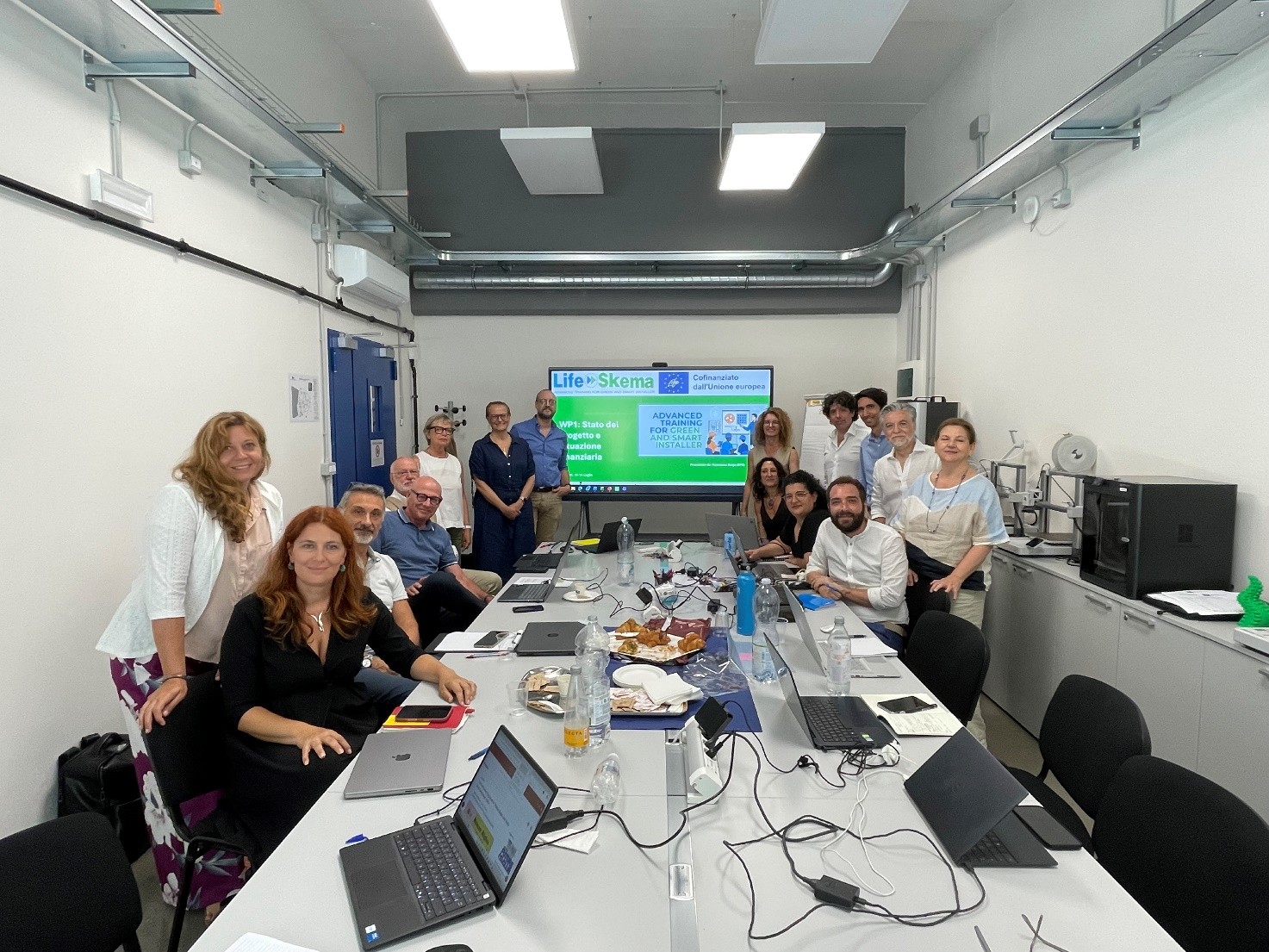
The first part of the programme was dedicated to the ALIENA partnership meeting, a technical and governance working session coordinated directly by EPC.
As a strategic partner of the ALIENA project, the EPC team led the planning of the forthcoming operational activities and the monitoring of the interim results achieved.
The ALIENA working sessions focused on:
- a joint update on the progress of the individual pilot actions;
- the exchange of good practices for monitoring and containing invasive non-indigenous species;
- alignment on ongoing tasks and the definition of deadlines for the next project outputs.
The discussions confirmed the strong cooperation and shared commitment among all the European partners involved, an essential factor for the success of a transnational initiative of this scale.
The ALIENA Public Event
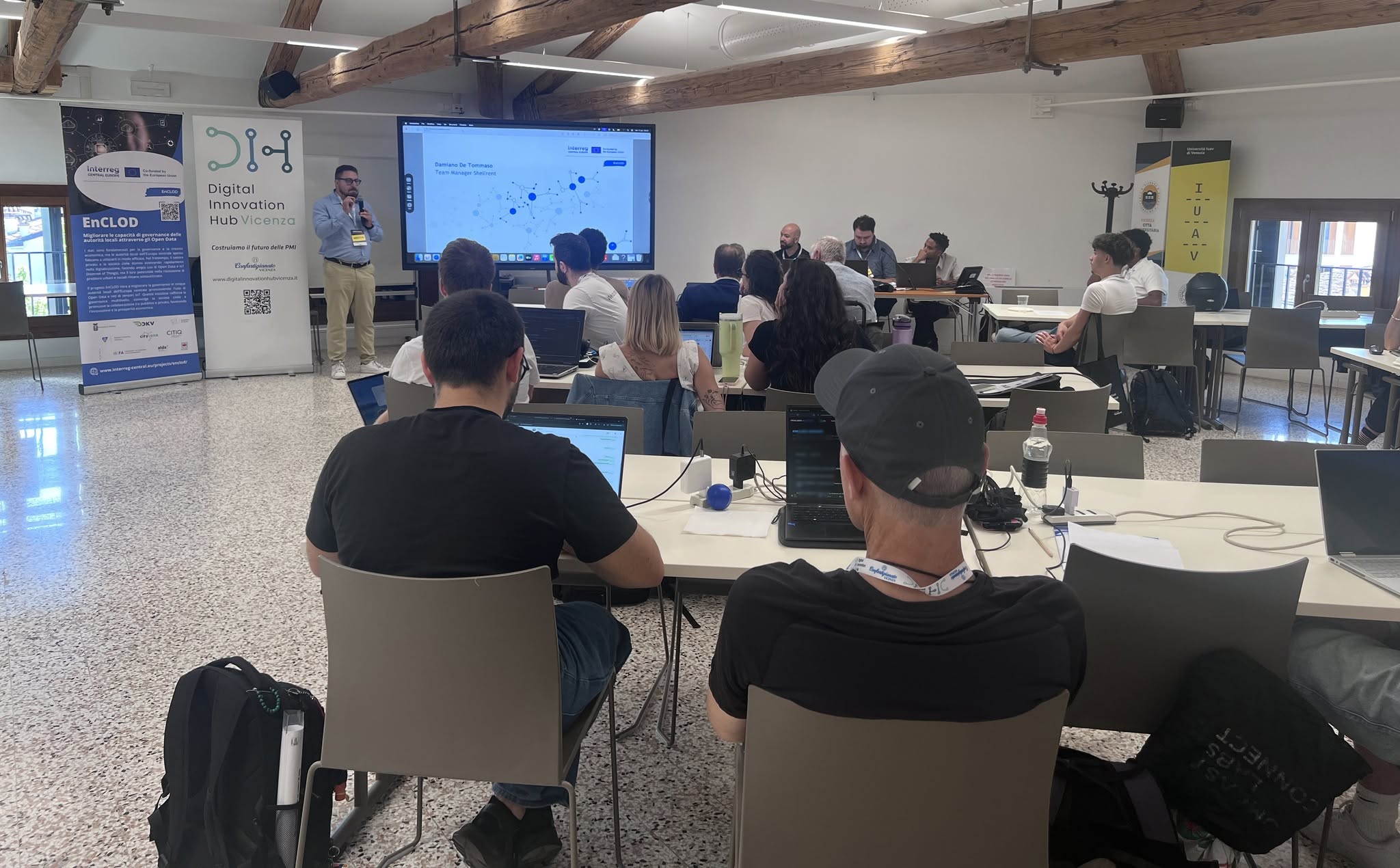
Alongside the internal ALIENA monitoring sessions, Split also hosted the important public event entitled “Non-Indigenous Species in the Adriatic Sea – Past, Present and Future.”
The initiative attracted a large audience of professionals and Croatian institutional stakeholders, including representatives from:
- the Croatian Ministry of Environmental Protection and Green Transition;
- the University of Split and its marine biology departments;
- the Port Authority, a key stakeholder in preventing the introduction of non-indigenous species through ships’ ballast water.
During the ALIENA conference, participants analysed historical data, the current distribution of non-indigenous species and future scenarios linked to climate change and rising sea temperatures.
The discussions highlighted the need to introduce rapid and standardised intervention protocols.
ALIENA Field Study: Visit to Marjan Park
To conclude the programme, participants had the opportunity to take part in a field visit to the research centre of the Institute of Oceanography and Fisheries, located in the impressive natural setting of Marjan Park.
This outdoor session enabled the partners to examine the scientific equipment directly and gain a deeper understanding of the sampling methods applied within the pilot area.
The visit to the research centre represented a valuable opportunity for scientific exchange, combining academic knowledge with the practical, day-to-day work involved in protecting marine ecosystems.