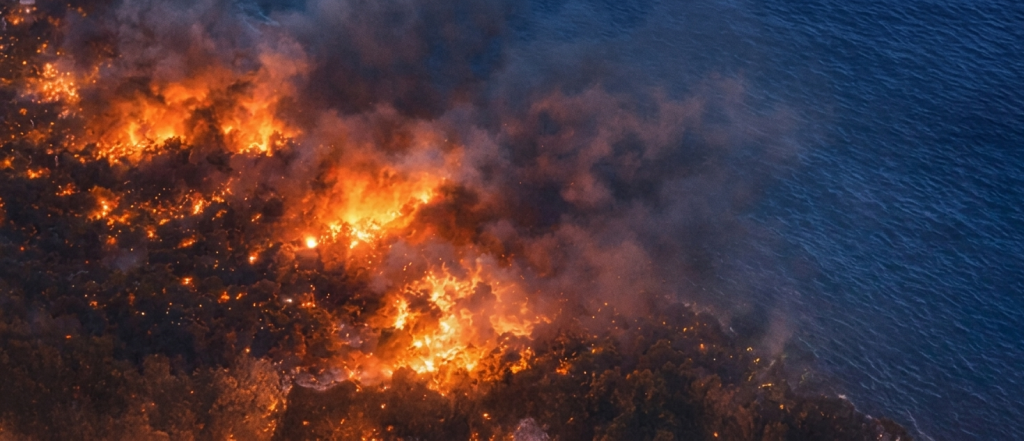
The fires that hit several tourist destinations during the month of June 2026 have once again brought to light emergency management in tourism, a crucial theme for the sector’s ability to prevent and manage environmental and climate risks.
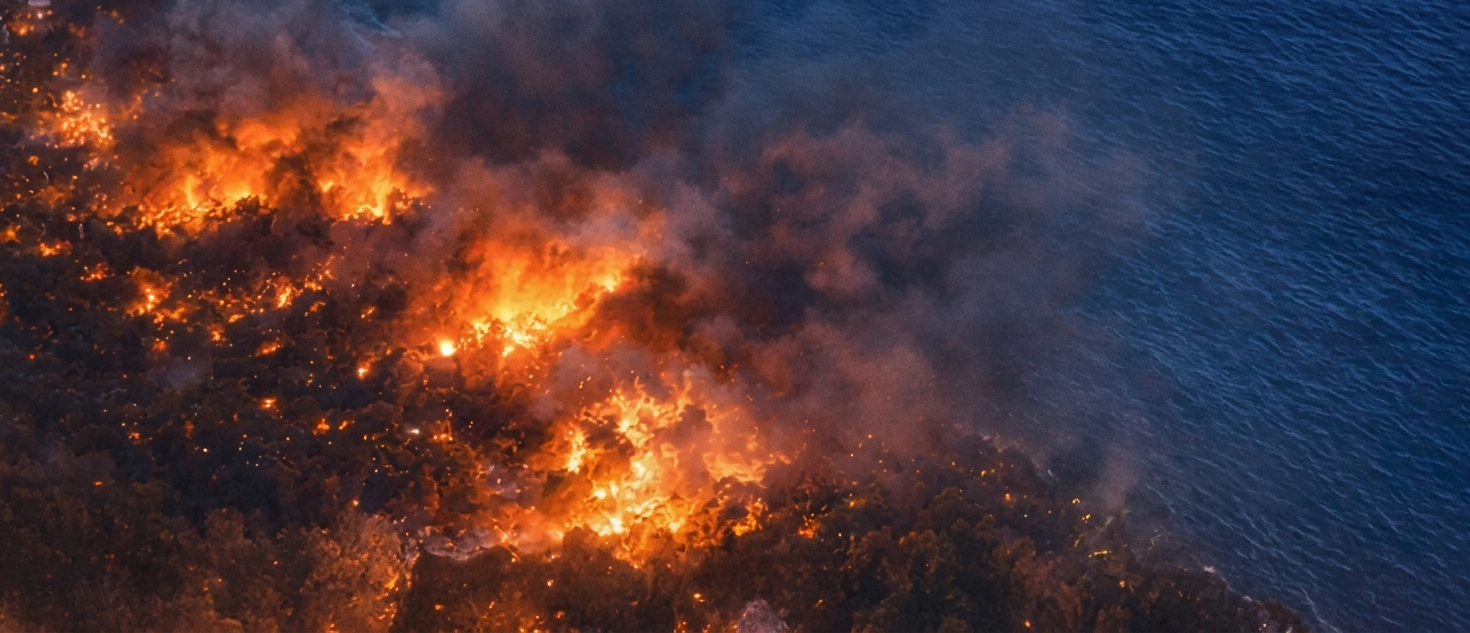
From the fire in Montagna Grande, in the Trapani area, which involved canadairs, helicopters, and firefighters working to protect the land and homes, to the severe blaze that led to the evacuation of about 1,700 people at the Viva Wyndham Dominicus Beach resort in Bayahibe, Dominican Republic, recent news sends a clear message. Events so different in dynamics and contexts share a common denominator: the vulnerability of tourist destinations when facing emergencies.
First-hand accounts from the tourists involved further highlight this aspect of the emergency management. An Italian tourist staying at the resort recounted that “no alarm went off” during the fire and that guests helped one another, knocking on bungalow doors to alert others. The same tourist added that “there was no actual evacuation plan,” noting that, during the most critical moments, many did not know where to go to reach safety. (Source: Sky TG24, “Dominican Republic, fire at a Bayahibe resort: Italian tourist dies” https://tg24.sky.it/mondo/2026/06/20/santo-domingo-rogo-re)
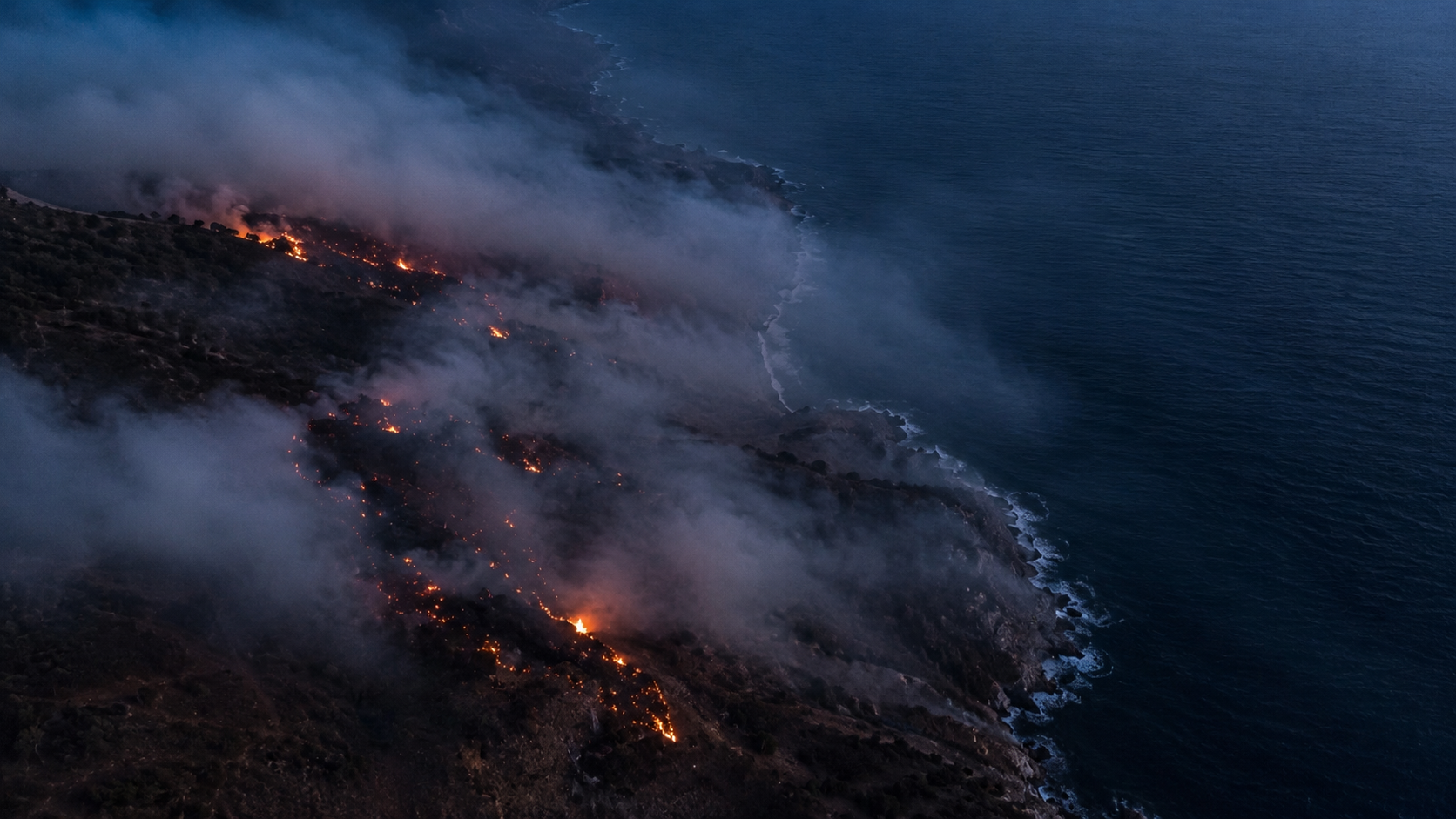
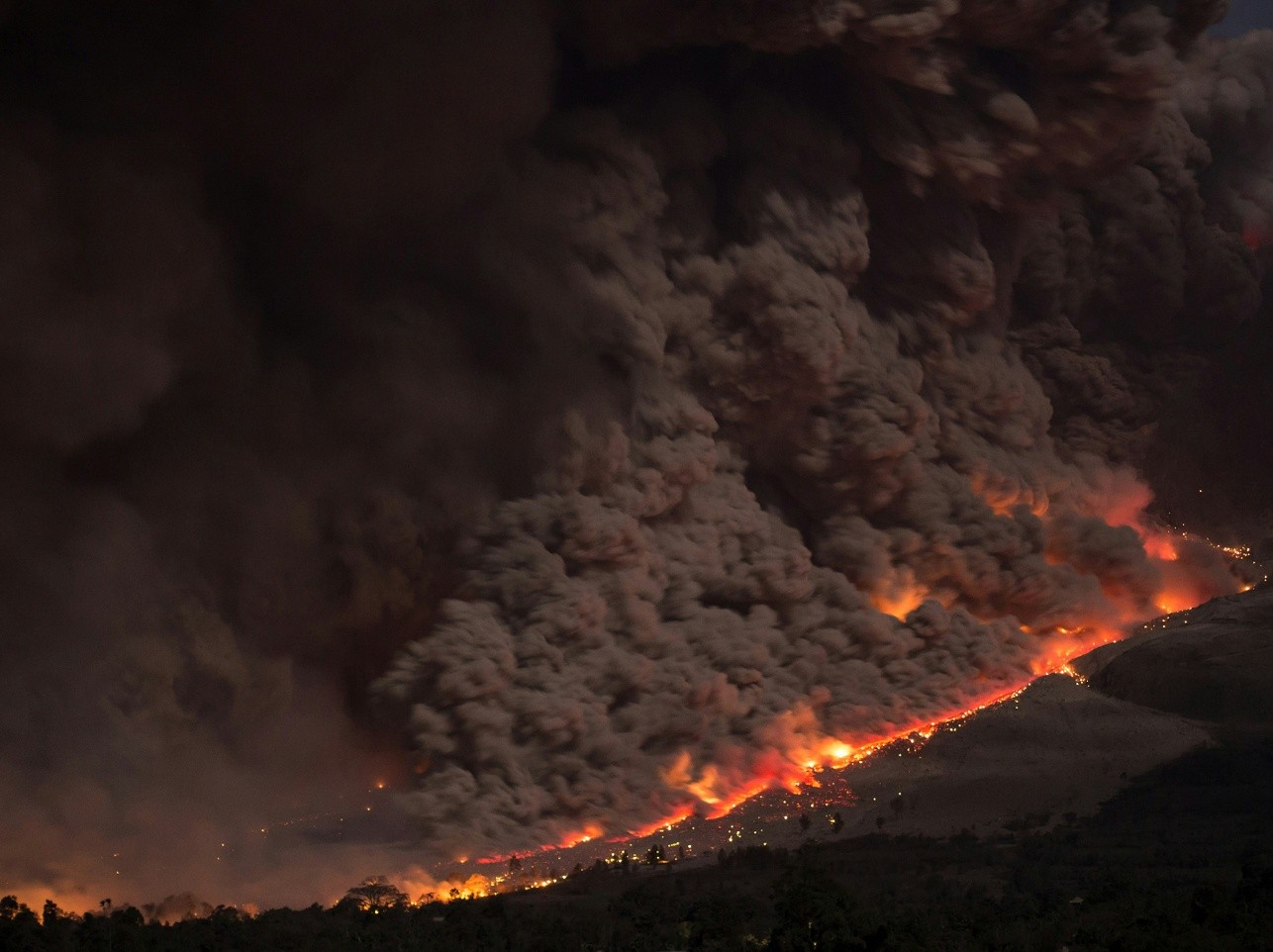
These words highlight a central point for the RETES project: emergency management in the tourism sector cannot rely solely on the immediate reaction of individuals or spontaneous solidarity between guests and operators. Instead, it requires clear procedures, effective alarm systems, trained staff, timely communication, and proactive coordination between tourism facilities, local authorities, and emergency services.
Why safety in tourism depends on skills
In crisis situations, the intervention of first responders is essential, but it is not enough on its own. What truly makes a difference is the level of preparedness of tourism operators. Emergency management also depends on internal factors within the tourist facility:
- The ability to recognize risks in a timely manner;
- The application of clear and well-tested internal procedures;
- Correct and clear communication with guests, who are often of different nationalities and cultures;
- Synergistic coordination with local authorities and civil protection.
It is not just about reacting to a problem, but anticipating it, shifting from a purely reactive logic to a genuine culture of preventive preparedness.
The Erasmus+ RETES project and EPC’s leading role
The Erasmus+ RETES project (Resilience Enhancement in Tourism through Education and Skills) fits precisely into this scenario. It was created to integrate specific skills in Disaster Risk Management, climate emergencies, and sustainability into vocational education and training (VET) pathways.
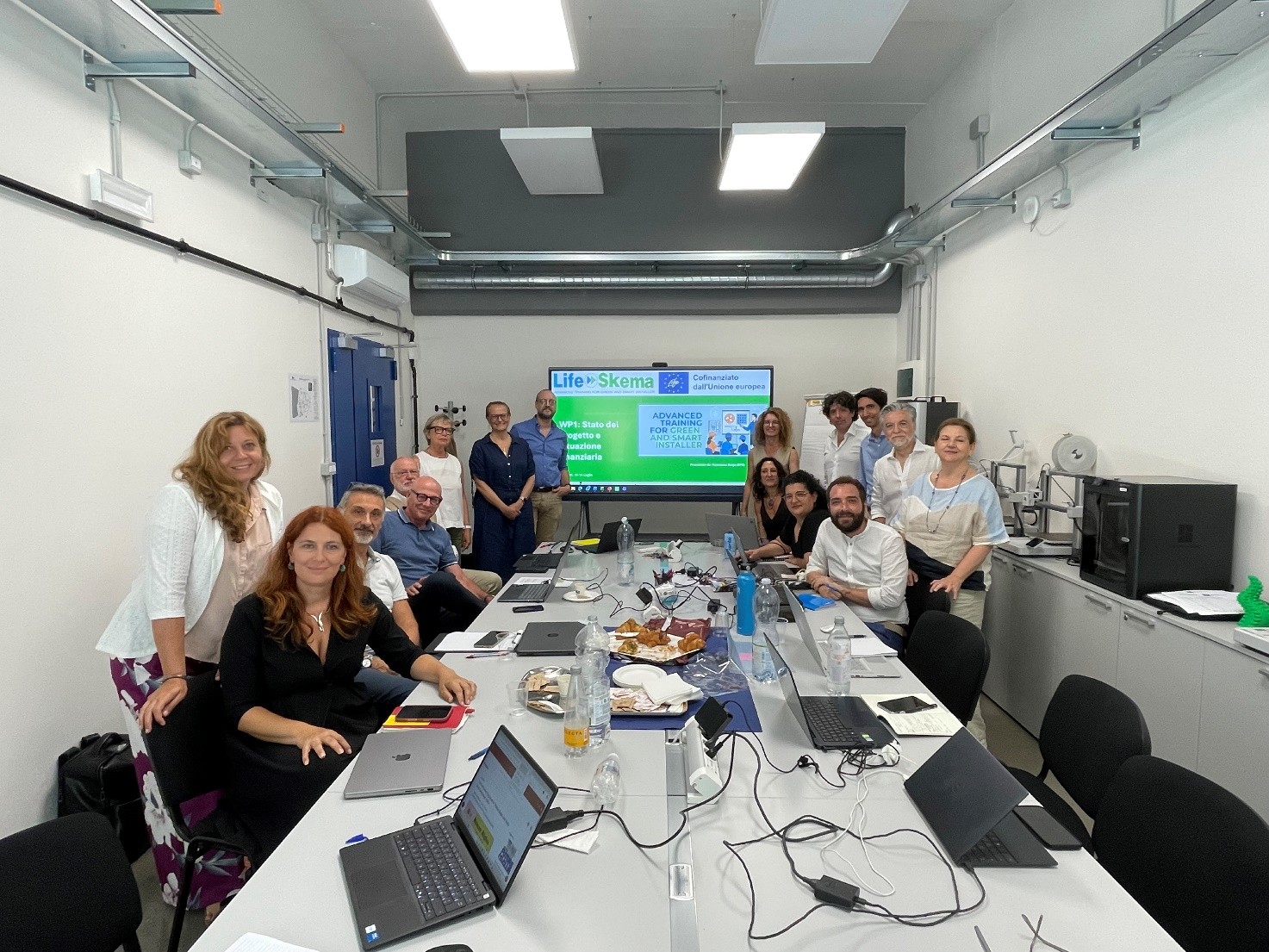
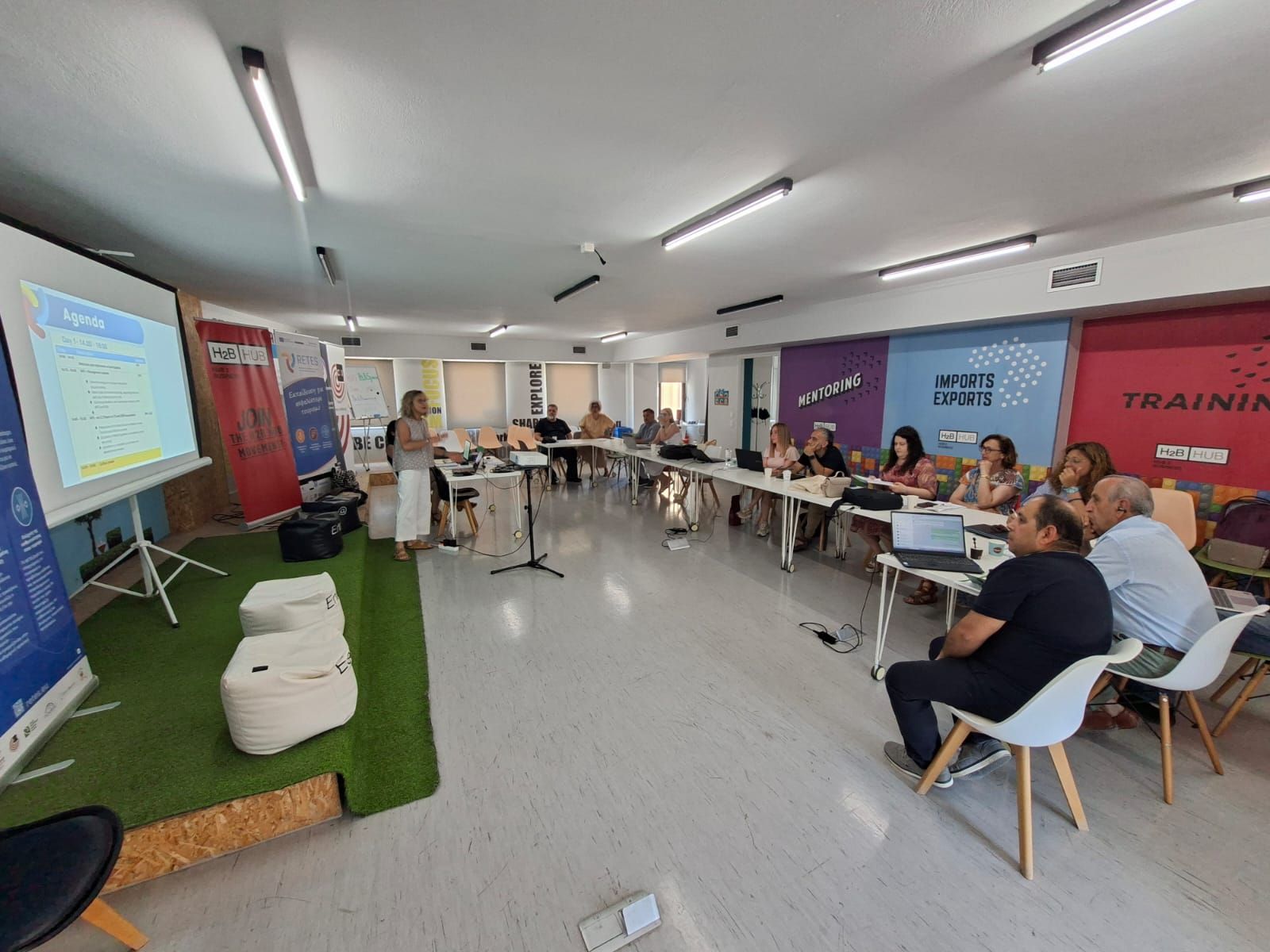
Right around the time when the events of June were drawing international media attention to the issue of safety in tourist destinations, the RETES project partners met in Heraklion, Crete, for a highly significant transnational meeting.
EPC participated in the meeting as the project coordinator, playing a central role in facilitating discussion among partners, ensuring the methodological consistency of the activities, and guiding the transition from the analysis phase to the operational planning of the upcoming project outputs.
The main objective of the meeting was to build upon the needs that emerged in the pilot territories during the first research phase and translate them into concrete guidelines for developing future educational tools. This guided the partnership’s efforts toward designing the RETES e-learning course and Digital Toolkit.
Digital Toolkit and e-learning: practical responses for the sector
The core of the next project phase will be the development of a practical Digital Toolkit based on a micro-learning approach, featuring flexible and easily accessible bite-sized training modules. The tool will be made available to tourism operators and trainers, with the aim of fostering the large-scale diffusion of skills useful for emergency prevention, preparedness, and management.
The training modules will offer content and operational tools to better understand environmental and climate risks, collaborate effectively with civil protection and emergency services, manage communication with tourists during critical situations, and promote more resilient and sustainable tourism practices.
A shared responsibility for the future of the sector
The events in Montagna Grande and the Dominican Republic confirm that the resilience of tourist destinations cannot be improvised at the moment of an emergency. It must be built in advance through training, planning, shared procedures, and stable cooperation between tourism operators, local authorities, civil protection, and emergency services.
In this perspective, RETES aims to contribute to a safer, more prepared, and sustainable tourism sector, strengthening the skills of the actors involved and promoting concrete tools to more effectively tackle the environmental and climate crises that can impact territories and host communities.