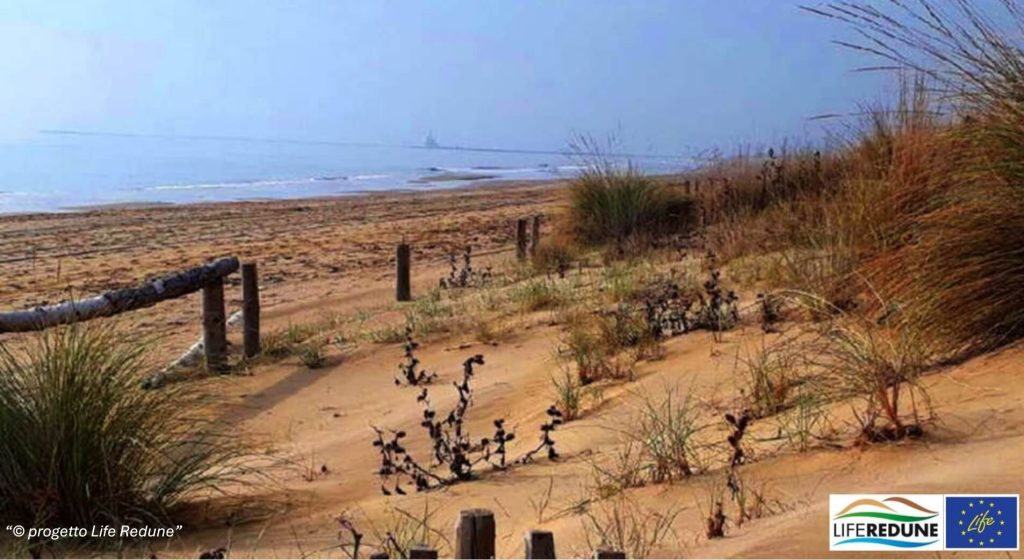
The LIFE Programme remains the European Union’s flagship funding instrument dedicated entirely to environmental protection, nature conservation and climate action. Since its establishment in 1992, LIFE has co-financed more than 5,500 projects across Europe, actively supporting the implementation of the European Green Deal.
Managed directly by CINEA — the European Climate, Infrastructure and Environment Executive Agency — the programme represents an exceptional opportunity and economic driver for public authorities, companies, universities and third-sector organisations seeking to transform sustainable ideas into concrete action.
The Four Thematic Areas of the LIFE Programme
- Nature and biodiversity: This sub-programme funds projects focused on ecosystem conservation, the protection of endangered species and the restoration of natural habitats. Its activities are aligned with the EU Biodiversity Strategy for 2030 and promote the creation of ecological corridors and the effective management of the Natura 2000 network.
- Circular economy and quality of life: This area focuses on industrial and urban innovation. It promotes pioneering solutions for waste management, material recycling, improved resource efficiency and the substantial reduction of air, water and soil pollution, accelerating the transition towards a circular economic model.
- Climate change mitigation and adaptation: This sub-programme supports the development of technologies and practices that reduce greenhouse-gas emissions through mitigation measures and increase the resilience of communities and territories to extreme climate events through adaptation measures. These actions contribute to the achievement of the European Union’s climate-neutrality objectives.
- Clean energy transition: In close alignment with the REPowerEU Plan, this sub-programme accelerates the deployment of renewable energy, promotes energy efficiency in buildings and businesses, and addresses the market barriers that hinder the transition away from fossil fuels.
LIFE Programme Thematic Areas
The LIFE Programme is organised into four sub-programmes covering the main environmental and climate-related challenges:
- Nature and biodiversity: supports projects aimed at conserving ecosystems, protecting endangered species and restoring natural habitats. It is aligned with the EU Biodiversity Strategy for 2030 and the European Green Deal.
- Circular economy and quality of life: promotes innovative solutions for waste management, improved resource efficiency and pollution reduction, contributing to the transition towards a more sustainable economy.
- Climate change mitigation and adaptation: supports projects that reduce greenhouse-gas emissions, strengthen the resilience of communities to extreme climate events and promote the transition towards low-carbon development models.
- Clean energy transition: funds initiatives that encourage the use of renewable energy, improve energy efficiency and reduce dependence on fossil fuels, in accordance with the objectives of the REPowerEU Plan.
LIFE Programme Calls 2025: Dates, Deadlines and Key Information
The official publication of the new LIFE 2025 calls was scheduled for April 2025. From that date, interested organisations could begin submitting their proposals through the EU Funding & Tenders Portal.
To plan the proposal-development process effectively and avoid last-minute submissions, applicants needed to consider two key deadlines in 2025:
- September 2025: deadline for Standard Action Projects, or SAPs, formerly known as Traditional Projects. These represent the most common and flexible type of LIFE project and are designed to test and demonstrate technologies or good practices within the four thematic areas.
- October 2025: deadline for Strategic Nature Projects, or SNAPs, and Strategic Integrated Projects, or SIPs. These are large-scale initiatives, often involving transnational cooperation, aimed at implementing environmental plans or strategies at regional or national level.
Why Apply for LIFE Funding? Benefits for Companies and Public Authorities
Participating in the LIFE Programme requires a significant project-development effort, but this investment is rewarded by the unique benefits offered by the funding instrument:
- High-value non-repayable funding: the European co-financing rate generally covers 60% of eligible costs and may reach 75% for projects specifically dedicated to the protection of priority habitats and species.
- Networking and international recognition: joining the LIFE network enables organisations to cooperate with leading European stakeholders in the sustainability sector, strengthening their institutional profile, reputation and market visibility.
- Scalability and replicability: the programme values and rewards projects that demonstrate a clear strategy for replicating and transferring their solutions to other European geographical or industrial contexts.
How Can EPC Support You?
Competition for LIFE Programme funding has historically been very high. Preparing a successful proposal requires specialised technical expertise, a strong international partnership network and an in-depth understanding of the European Commission’s assessment mechanisms.
EPC has extensive practical experience and has successfully supported numerous LIFE Programme proposals, from the initial concept-development and drafting stages through to technical assistance, project management and financial reporting for approved initiatives.