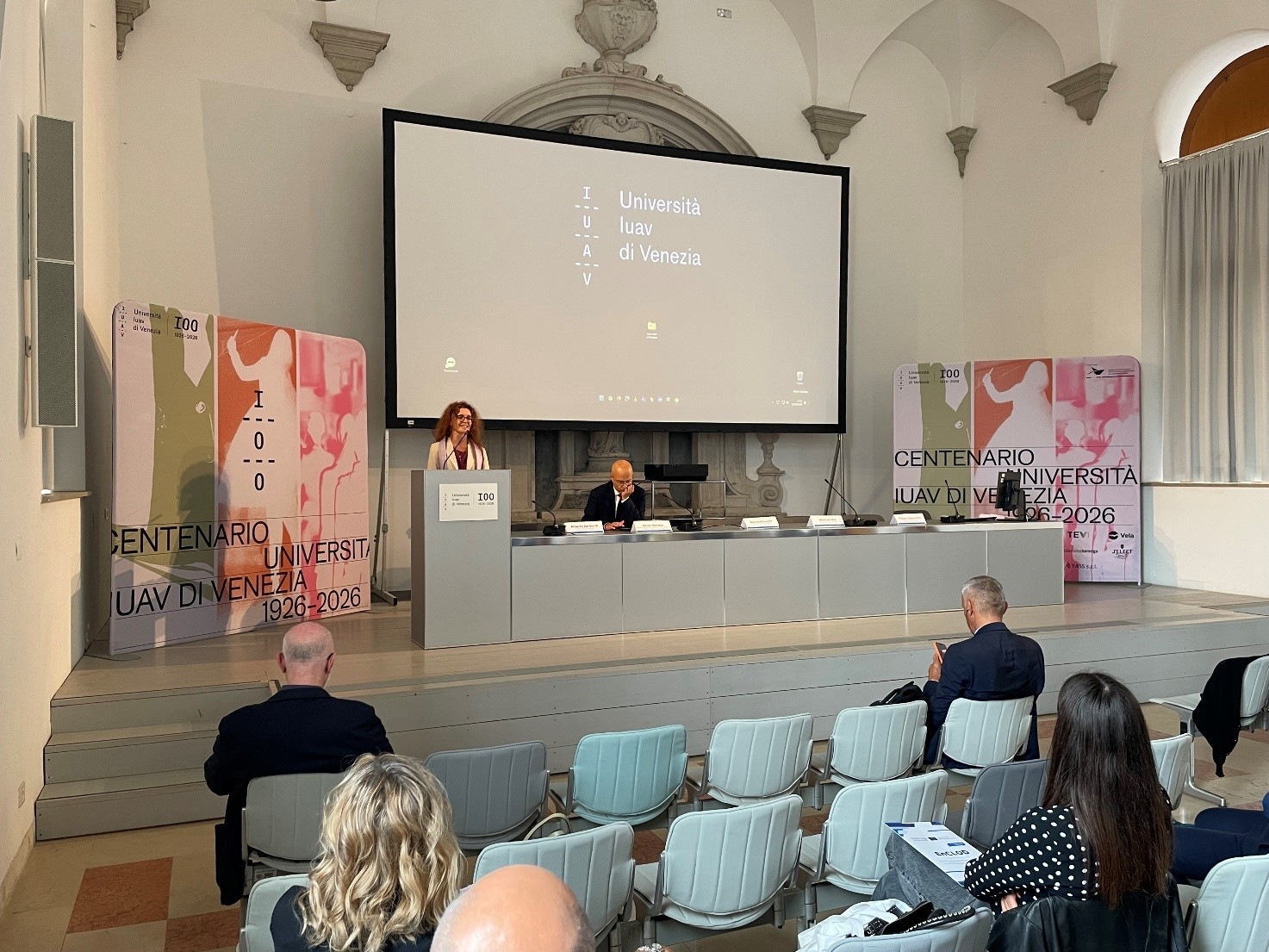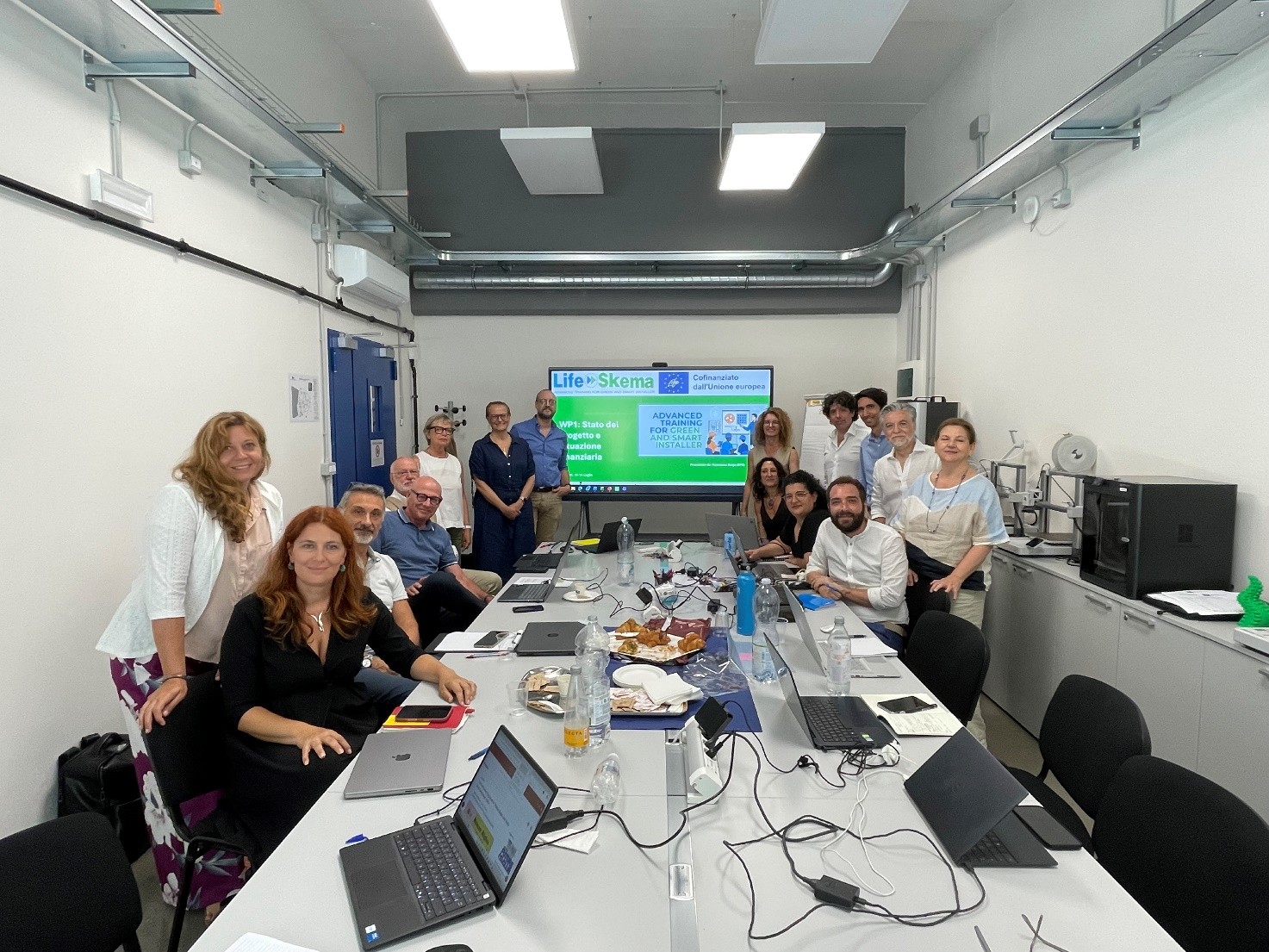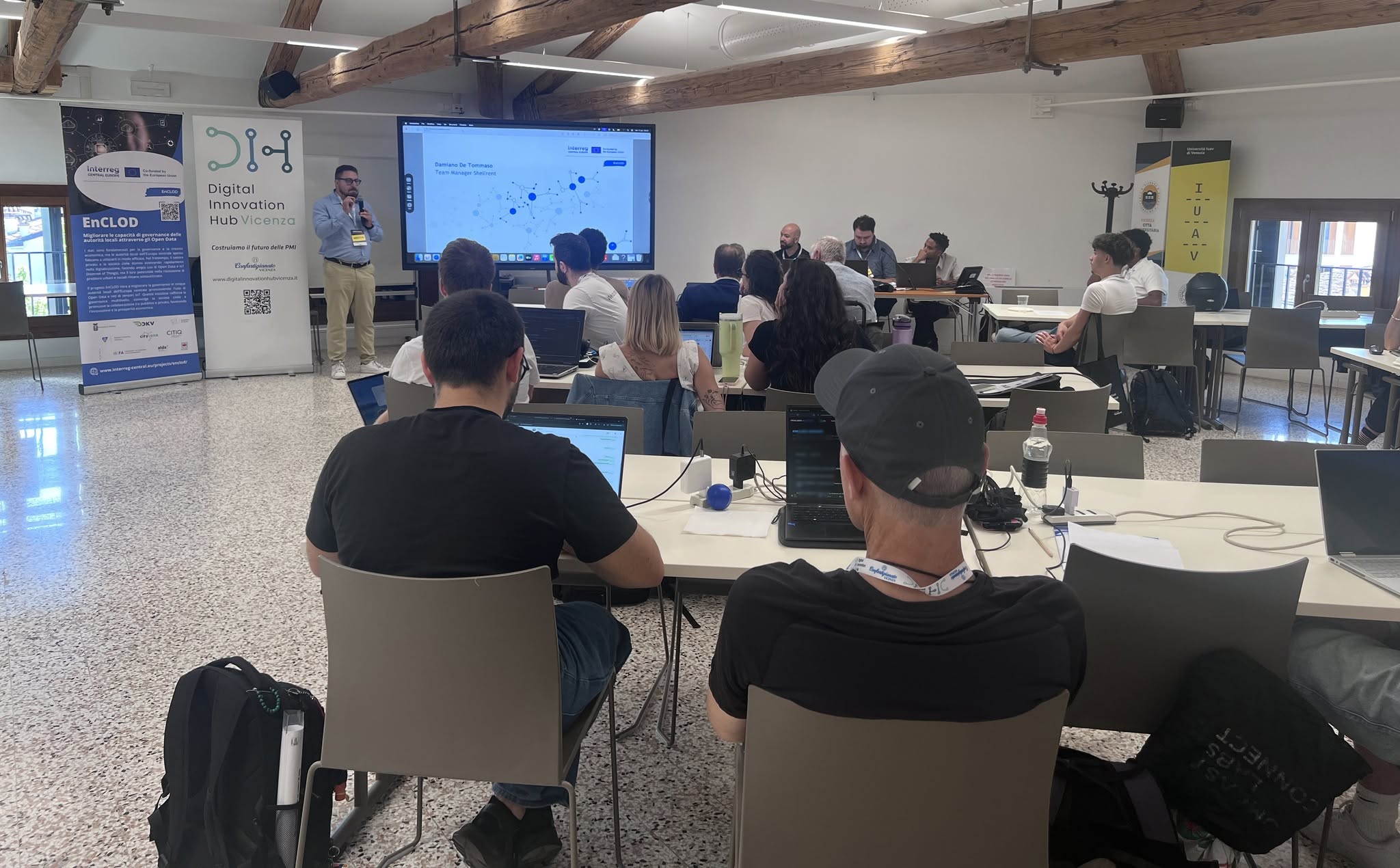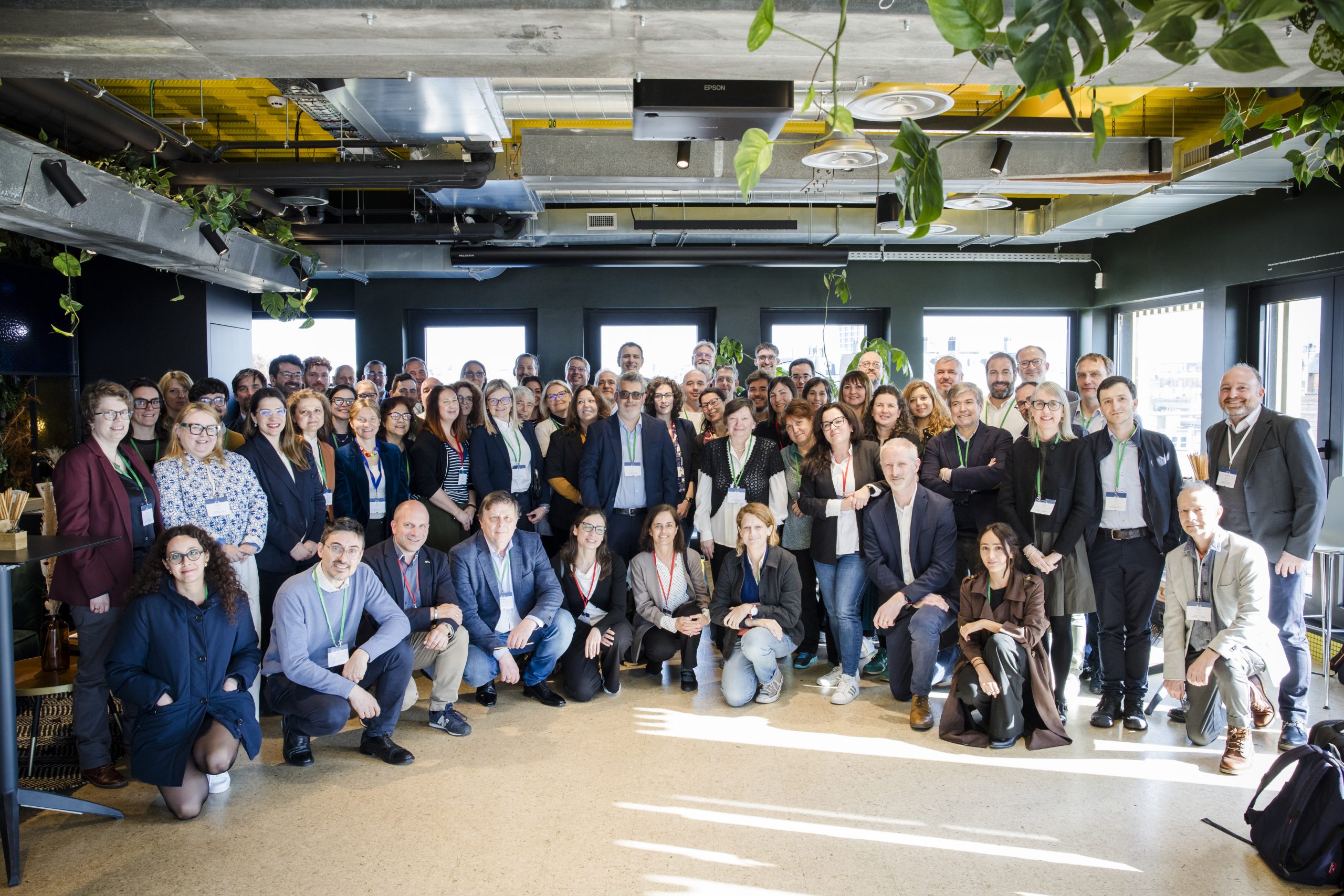
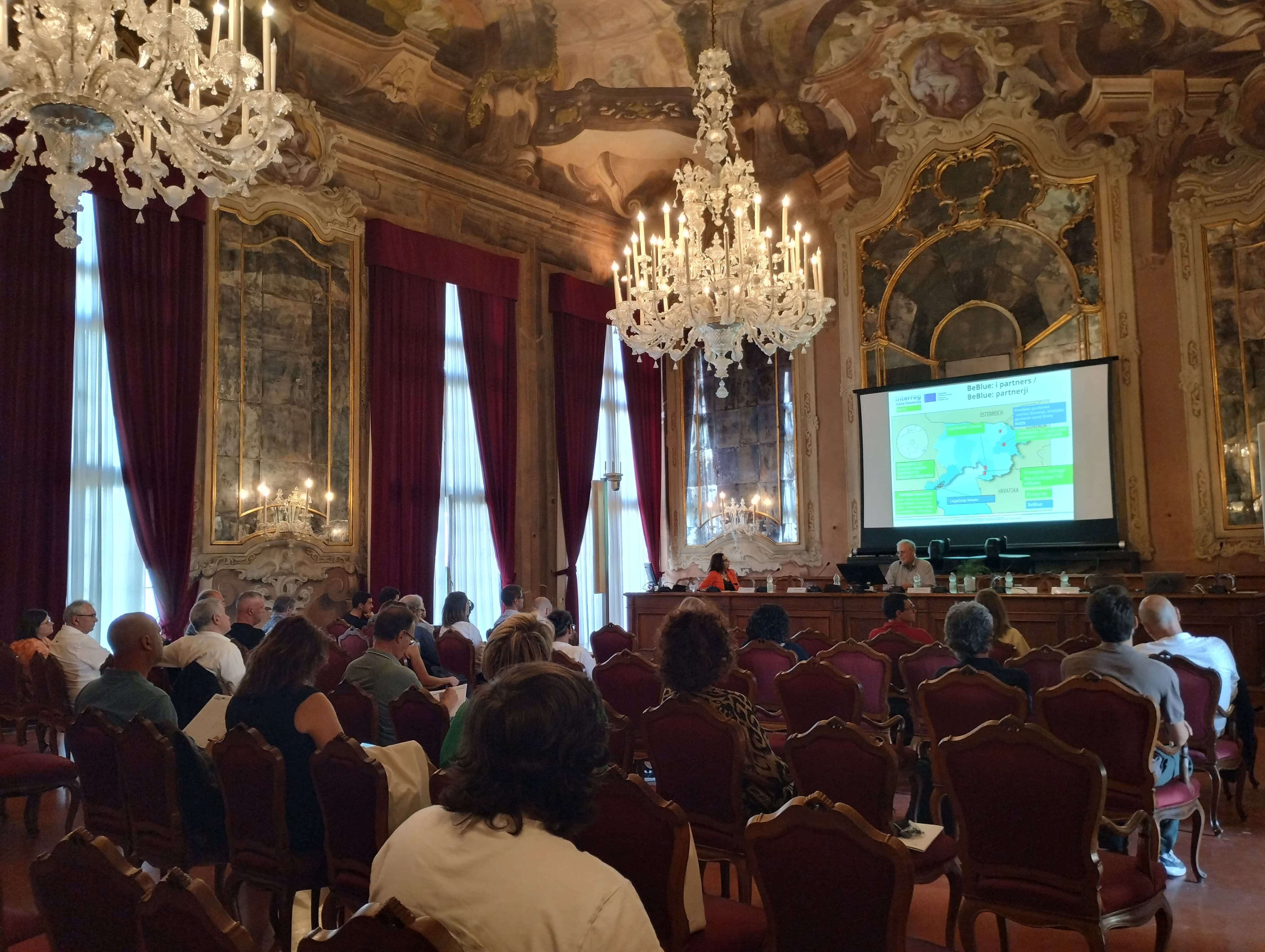
The final event of the BeBlue – Beyond Bluegrass project has officially taken place. BeBlue is an important international initiative co-funded by the Interreg VI-A Italy–Slovenia Programme.
The event provided an exceptional opportunity to celebrate and share the scientific and technological results achieved through this strategic cross-border initiative. Over two years of intensive research and cooperation, the project succeeded in placing aquaponics — an innovative integrated system combining fish farming and plant cultivation — at the centre of institutional and business discussions on key topics such as environmental sustainability, technological innovation and the resilience of the agri-food sector.
The final BeBlue event was supported by a bilingual simultaneous interpretation service in Italian and Slovenian and attracted a diverse and highly qualified audience. Participants included scientific experts, institutional representatives from the territories involved, companies operating in the fisheries and agricultural supply chains, university students and citizens from both countries, all united by a shared interest in the new frontiers of sustainable agriculture.
Main Partnership Results: Technology, Pilot Facilities and Digitalisation
Following the opening institutional remarks, the BeBlue cross-border partnership presented the main outputs and technological achievements developed during the two-year implementation period.
The joint efforts of the partners led to the development of practical solutions for the agri-food sector, structured around three main pillars:
- Two fully operational pilot facilities: the technological systems were developed and are currently operating in Venice and Ljubljana. These facilities represent the core of the project’s practical experimentation and field-testing activities.
- The Digital Twin model: an advanced digital modelling and IT infrastructure developed specifically for the real-time monitoring and management of aquaponic systems, helping to optimise water and energy consumption.
- Online assessment tools: software and web-based digital instruments have been created and made available to enable companies and investors to assess the economic sustainability and environmental impact of aquaponic facilities in advance and on a scientific basis.
Round Table: Market Challenges for Aquaponics, Retailers and Consumers
The programme continued with an in-depth round-table discussion, providing an opportunity for leading Italian and Slovenian experts to exchange views and share best practices.
The debate focused on the actual market potential of aquaponics as a means of ensuring high-quality food production. Speakers analysed the main commercial barriers, including the complex challenges associated with the acceptance and introduction of aquaponic products within large-scale retail channels, consumer perceptions and confidence, and the promising opportunities for market penetration in niche segments and sustainable catering.
The connection between scientific research and the surrounding area was made even more tangible during the final buffet, held in the evocative setting of the Ca’ Dolfin garden.
Guests were offered exclusive dishes prepared with glasswort and other halophytes. These plants are among the main target products of the BeBlue project: salt-tolerant crops that have been successfully tested within aquaponic systems and that now have the potential to become increasingly important in the food sector, combining nutritional value with biodiversity protection.
Conclusions: The BeBlue Journey Beyond the Project
BeBlue has demonstrated that it is much more than a technical and scientific project. From the outset, the initiative has operated as a genuine open cross-border laboratory, capable of creating effective links between technological innovation, urban regeneration, environmental education for younger generations and the development of local production chains.
The message emerging from the final event is clear: the future of agriculture and the green transition will inevitably also depend on solutions of this kind.
The journey launched by BeBlue will continue to generate positive impacts well beyond the project’s formal conclusion, attracting the interest of new investors, forward-looking agri-food companies and local communities that are increasingly committed to change and environmental protection.